


CENTRAL ANTI-ATLAS TRAVERSE: the northern border of the West African Craton
By DR. M. OUKASSOU, DR. H. EL HADI, DR. F. HAISSEN, DR. N. SABER
ITINERARY and OBJECTIVES
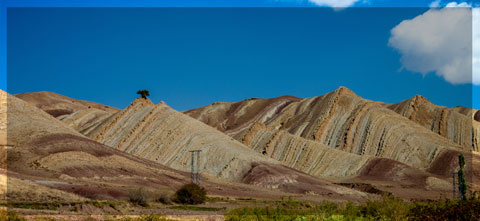
The south of Morocco is one of the most attractive touristic areas with diversified landscapes from snowy mountains to desert plains. The High Atlas with his 3000 to 4000 meters forms a major climatic barrier to the Atlantic perturbations, which account for the arid climate of the Anti Atlas sub Saharan domain south of the chain. These regions are occupied by berbere speaking populations with long hospitality tradition.
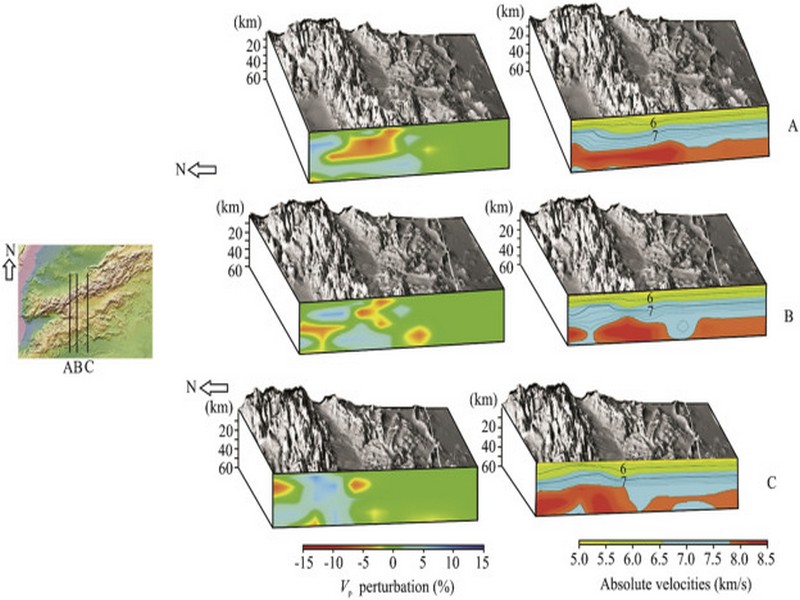
The two day trips follow most touristic roads and visit outstanding outcrops illustrating a central transect across the Anti-Atlas belt (figures G1 & G2), which corresponds to the external fold belt of the Hercynian (Variscan, Alleghanian) chain, but it also includes large Pan African inliers. The High Atlas formed during the Cenozoic at the expense of an aborted Triassic Jurassic rift. Therefore, three superimposed Wilsonian cycles can be illustrated during the trips. The itinerary will make possible to illustrate the complex geological history of these areas from 2 Ga to present day. Our purpose is to present and discuss various regional and thematic (sediment logical, structural, magmatic and
metamorphic) features, which record the main geodynamical events during this long geological history. Magnificent minerals (erhytrite, vanadinite...) and fossils (trilobites, goniatites...) can be purchased at many places.
During this field trip, the AgdzBou Azzer Tazenakht Agdzloop (figureG3)allows the participants to discover the PanAfrican belt (external platform domain in the Zenaga inlier, ophiolitic suture zone at Bou Azzer), the early volcano clastic cover sequence (late Neoproterozoic), and the mildly folded Early Paleozoic sediments (Cambrian and Ordovician).
Detailed road log for the trip are provided below along with Global Positioning Satellite (GPS) location at each stop. Note that all the stops are on public roads, and that the use of hammers and the collection of rocks are permitted.


Source web: DR. M. OUKASSOU, DR. H. EL HADI, DR. F. HAISSEN, DR. N. SABER sociedadgeologica.es
Les articles en relation
5 lacs incroyables sur Terre
5 lacs incroyables sur Terre Cette vidéo nous emmène à la découverte de cinq lacs tout à fait extraordinaires. Très salé, cachant des arbres, hostile à la vie où empli de
Savoir plus...
NOMADISME
NOMADISME Économie, population, société Le nomadisme pastoral constitue un genre de vie de haute productivité économique, doué d'un dynamisme démographique remarquable et d'
Savoir plus...
Gravures rupestres au Maroc : « D’ici 10 ans, si on ne fait rien, ce patrimoine aura disparu »
Gravures rupestres au Maroc : « D’ici 10 ans, si on ne fait rien, ce patrimoine aura disparu » Le professeur Hassan Aouraghe est en colère : il voit d’année en année le patrimoine pal&eacu
Savoir plus...
Le climat : ( anti atlas ) pour J. Riser
Le climat : ( anti atlas ) pour J. Riser Un balcon semi-aride au-dessus du Sahara Le vent emporte les feuilles sèches des noyers La paille blonde laissée sur l’aire à battre Et le linge oubli&eacut
Savoir plus...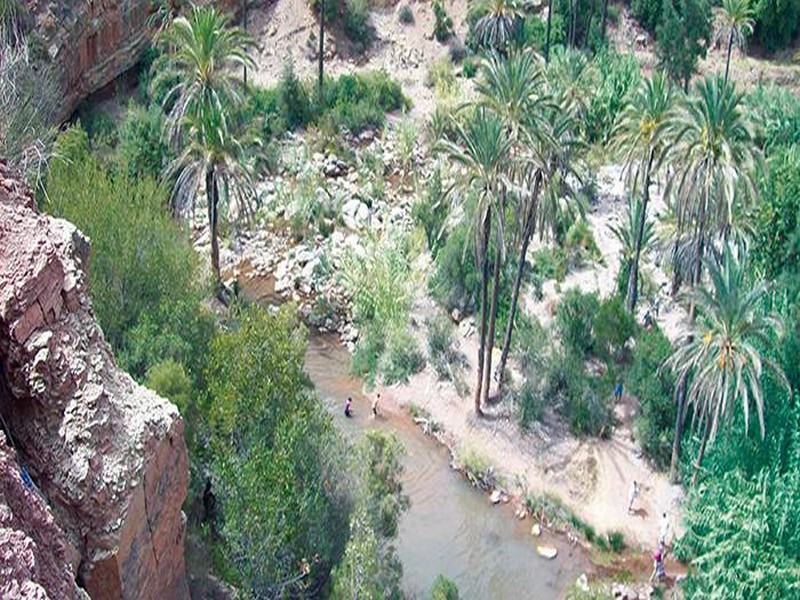
Ce Maroc que les touristes connaissent mieux que nous ! (Géoparc Jbel Bani)
Ce Maroc que les touristes connaissent mieux que nous ! (Géoparc Jbel Bani) Au Maroc, il existe des destinations rarement mentionnées dans les guides touristiques et que seuls quelques initiés fréquentent.
Savoir plus...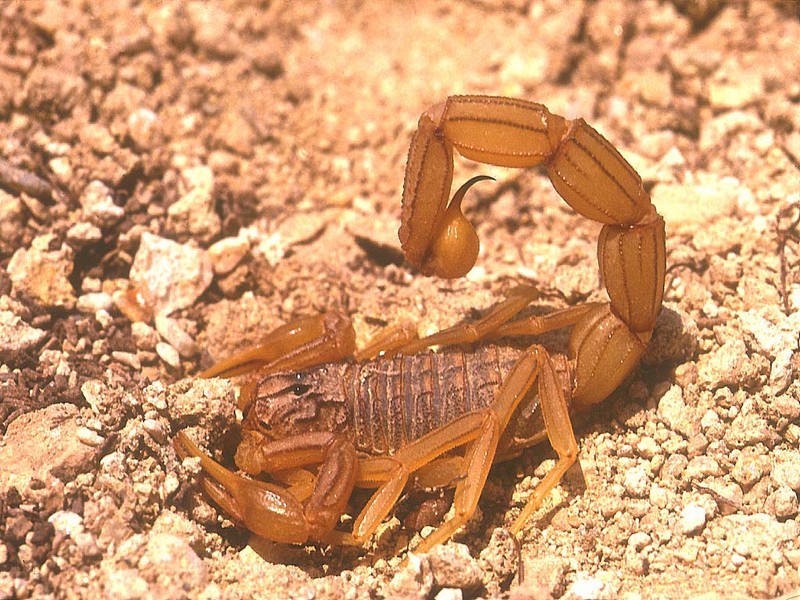
Les scorpions du Maroc (liste, photos et précautions)
« Les scorpions sont un ordre d’arthropodes de la classe des arachnides. Ils se distinguent des araignées par leurs pédipalpes en pinces et par l’aiguillon venimeux qu’ils
Savoir plus...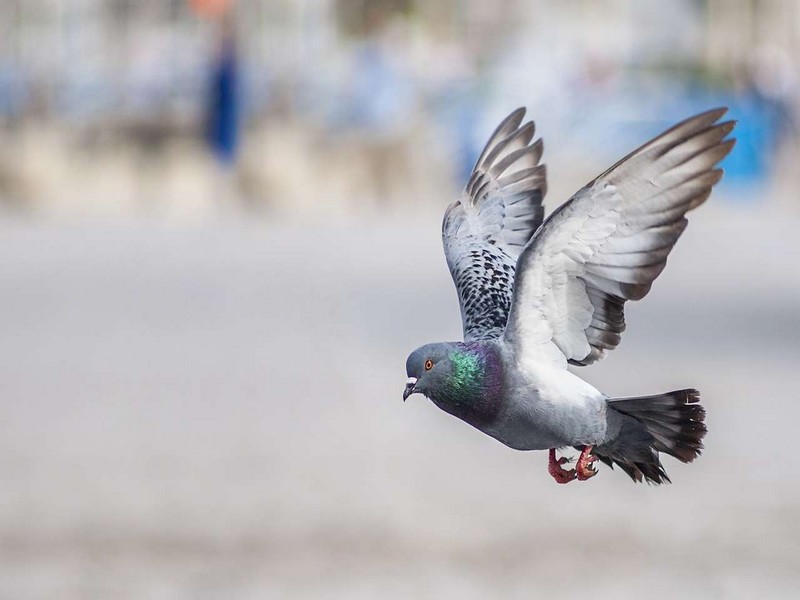
Intelligence des pigeons : ils savent faire plusieurs choses à la fois !
Intelligence des pigeons : ils savent faire plusieurs choses à la fois ! Des pigeons multitâches ? Cela peut sembler difficile à croire. Pourtant, des chercheurs allemands affirment que ces oiseaux qui enco
Savoir plus...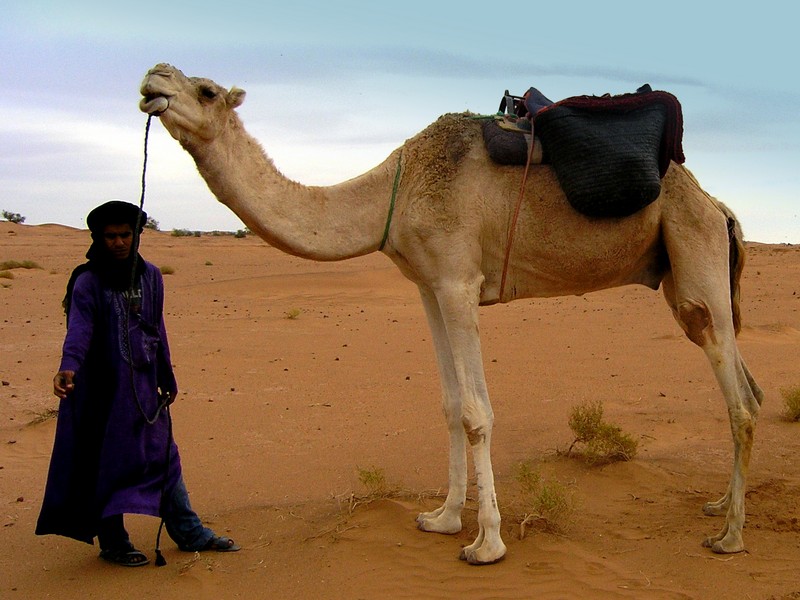
Les mystères du Sahara
Les mystères du Sahara La culture hassanie du Maroc s’étend de la basse vallée du Drâa jusqu’aux frontières Mauritaniennes. La culture hassanie du Maroc s’étend de
Savoir plus...
Protéger la Biodiversité : Une Stratégie Essentielle pour Réduire la Pauvreté et Assurer un Avenir Viable
Protéger la Biodiversité : Une Stratégie Essentielle pour Réduire la Pauvreté et Assurer un Avenir Viable Le Groupe de la Banque mondiale a pour mission de mettre fin à la pauvret&e
Savoir plus...
Des papillons Morpho émergent de leur chrysalide en time-lapse
Des papillons Morpho émergent de leur chrysalide en time-lapse On trouve le papillon Morpho dans les zones tropicales, principalement en Amérique centrale et en Amérique du Sud. Il a la particularité de vi
Savoir plus...
Ressources minieres et transition energetique : le Maroc met en avant son potentiel geologique a Madrid
Ressources minieres et transition energetique : le Maroc met en avant son potentiel geologique a Madrid Lors d’une conférence organisée à Madrid par le Collège officiel des géologues d’E
Savoir plus...Les tags en relation
En savoir plus sur " Géologie et TSGJB - AMDGJB ! "
Consulter les vidéos de " Géologie et TSGJB - AMDGJB ! " Consulter les photos de " Géologie et TSGJB - AMDGJB ! " Consulter les publications de " Géologie et TSGJB - AMDGJB ! " Consulter les éditions de " Géologie et TSGJB - AMDGJB ! " Consulter les communications de " Géologie et TSGJB - AMDGJB ! "Recherche du site
Recherche avancée / SpécifiqueVulgarisation à la géologie
Qu'est ce que les sciences de la terre: vulgarisation Qu'est ce que la géologie ? Géologie et TSGJB - AMDGJB !
Géoparc et Recherche Scientifique
Le coins de l’étudiant
Blog Géoparc Jbel Bani
Dictionnaire scientifique
Plus de 123.000 mots scientifiques
Les publications
Géo parc Jbel Bani
Circuits & excursions touristiques
cartothéques
Photothéques
Publications & éditions