


Today, 5 Planets Align For the First Time in a Decade (Géoparc Jbel Bani)
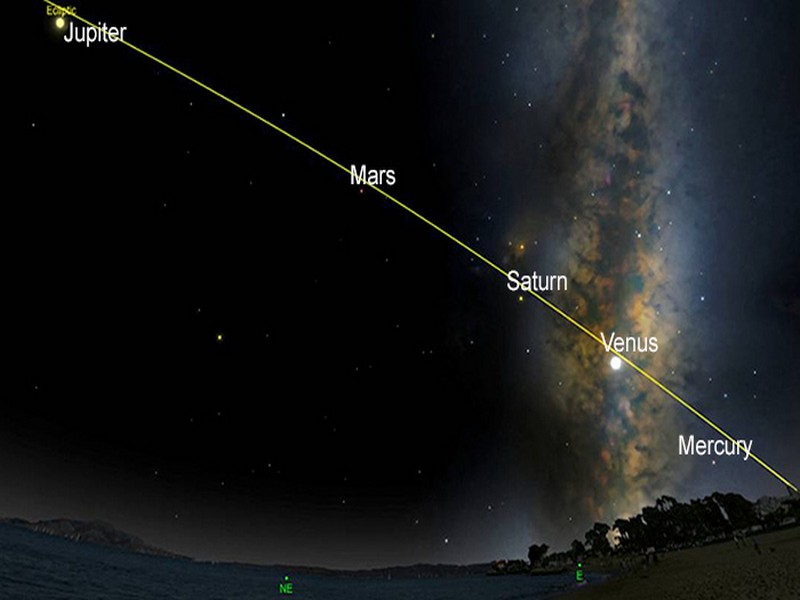
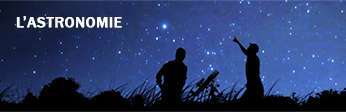
For the first time since 2005, you’ll be able to see all five visible planets (Jupiter, Mars, Saturn, Venus, Mercury) at once – if you get up early enough to see the perfect moment in the dawning night sky, that is.
This Australian Geographic interview explains: “Dr. Alan Duffy, a research fellow at Swinburne University in Melbourne, said that this reasonably rare planetary alignment is ‘essentially a quirk’ of the universe. All the planets sit on a flat plane but have different yearly cycles so for all five visible planets to happen to line up is ‘something well worth seeing,’ he said.”
The best time to see the stars align is during the last week of January and the first week of February, 45 minutes before sunrise. If you have an Android device, the Skye app will show you where to look in your hemisphere.
More info: skyandtelescope.com (h/t: australiangeographic)
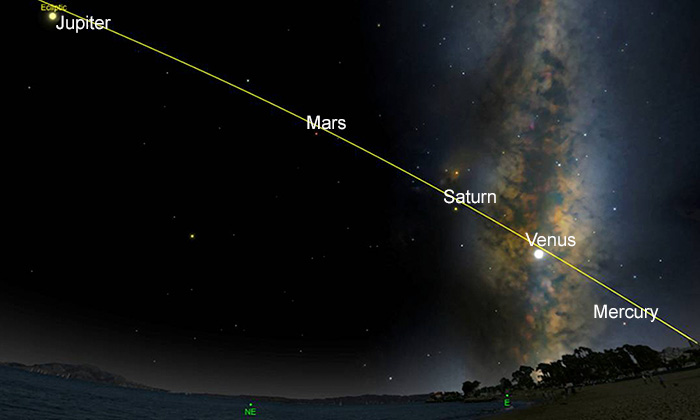 Image credits: Alan Duffy
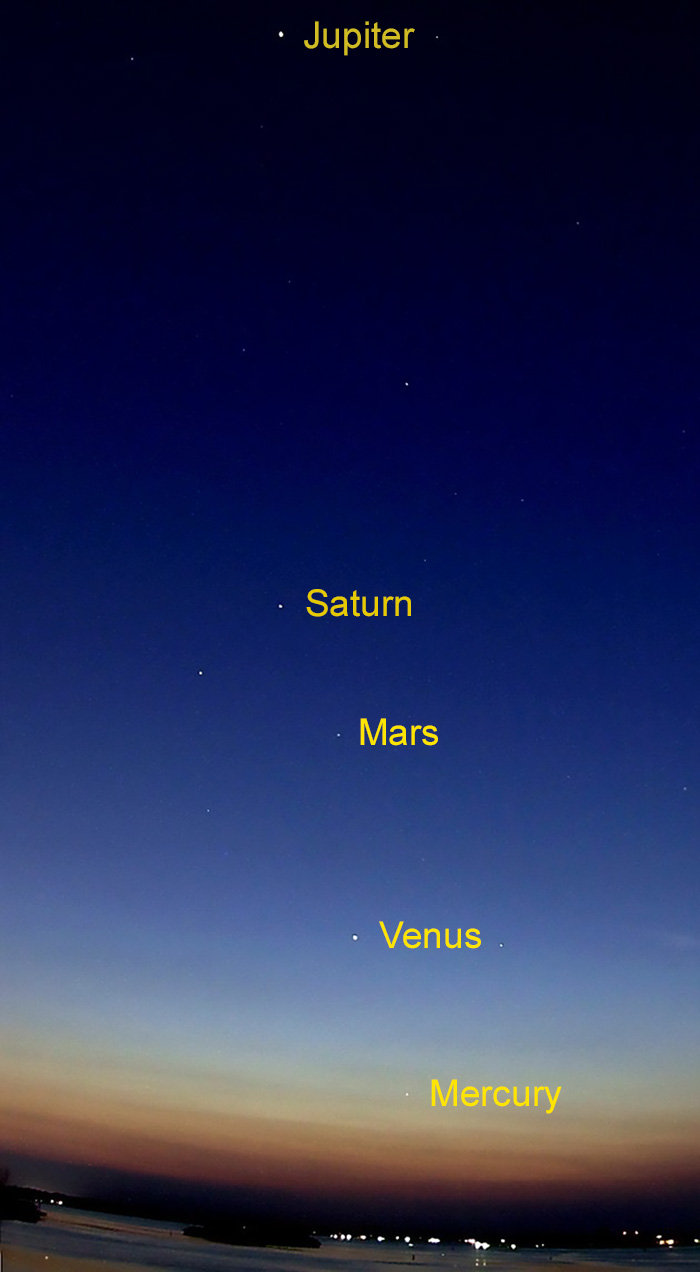
Image credits: Doug Murray
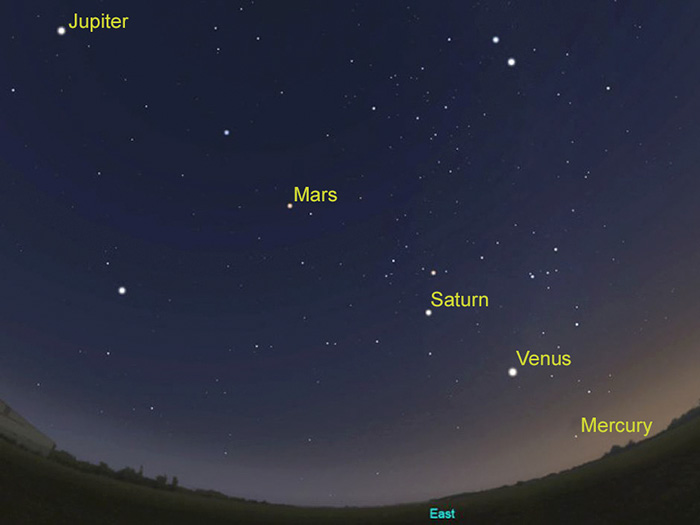
Image credits: ABC News
Tips for the Northern Hemisphere:
1. The best time to see the alignment will be before dawn between January 20th and January 24th. Though you’ll be able to partially see it up to February 20th.
2. Look south. Mercury will be closest to the eastern horizon, while Jupiter will loiter in the west-southwest.
3. Try to find a flat horizon and a dark sky. If possible, head away from the lights of civilization.
4. Hold your arm up in a straight line from the horizon to the moon and the planets should fall along that line.
5. Don’t give up! It may take more than one early morning to see the full alignment.
6. You’ll be able to see the planets with the naked eye, but if you have a telescope, it’ll look even better.
7. You can use an app like Skye to get updates on the best time to stargaze in your area.
Like what you're reading? Subscribe to our top stories.
Follow Bored Panda on Google News!
Source web Par bored panda
Les articles en relation
Un nouveau télescope pour révolutionner l'astronomie amateur
Un nouveau télescope pour révolutionner l'astronomie amateur Un nouveau télescope développé par la start-up française Unistellar peut mettre l'univers profond à la porté
Savoir plus...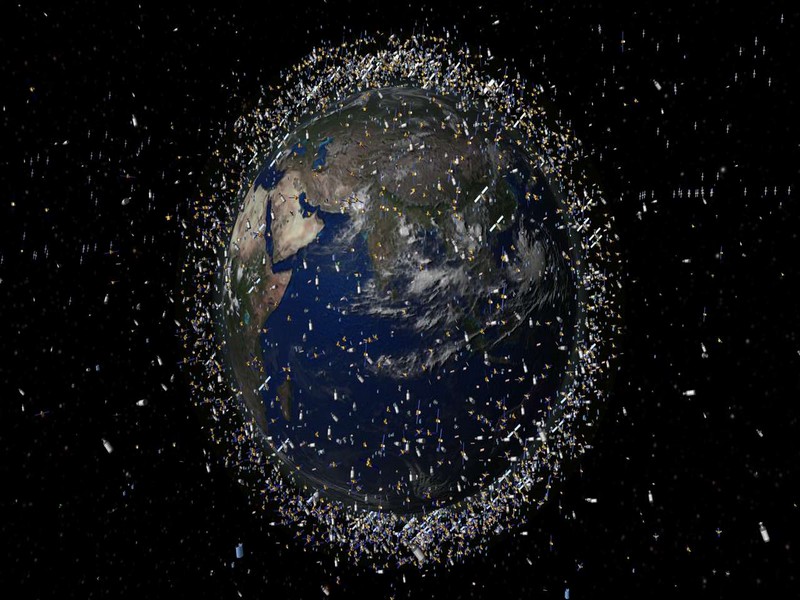
Combien de satellites artificiels y a-t-il autour de la Terre ?
Combien de satellites artificiels y a-t-il autour de la Terre ? Si vous regardez le ciel étoilé régulièrement, ou même de temps à autre, vous avez certainement déjà vu passer des
Savoir plus...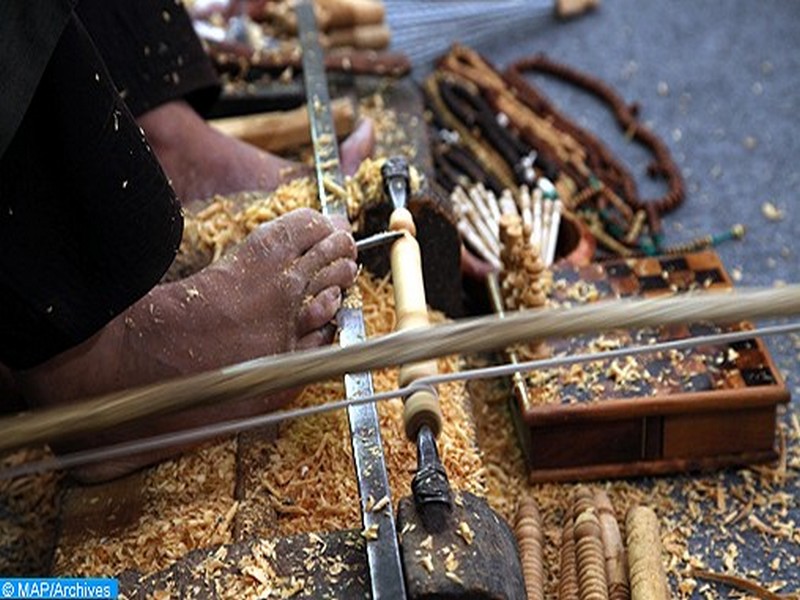
Le secteur de l’artisanat emploie près de 10.000 personnes dans la région de Guelmim-Oued Noun (Géoparc Jbel Bani)
Le secteur de l’artisanat emploie près de 10.000 personnes dans la région de Guelmim-Oued Noun (Géoparc Jbel Bani) Le directeur régional de l’artisanat à Guelmim, Saleh Abrihima, a indiq
Savoir plus...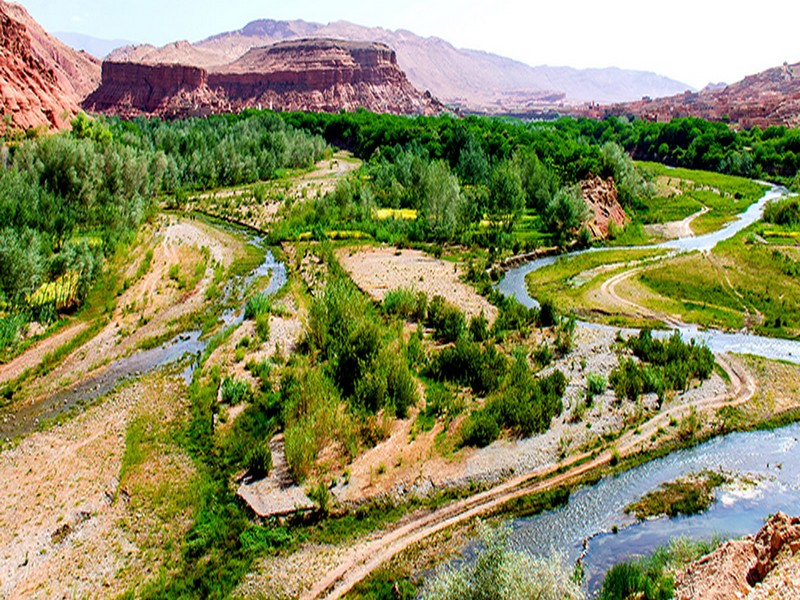
Vallée des Roses (Géoparc Jbel Bani)
Vallée des Roses (Géoparc Jbel Bani) A propos de vallée des Roses La vallée des Roses commence au village de Kelaa Mgouna, le château des Mgoun, sur la route d’Ouarzazate à Tinghir.
Savoir plus...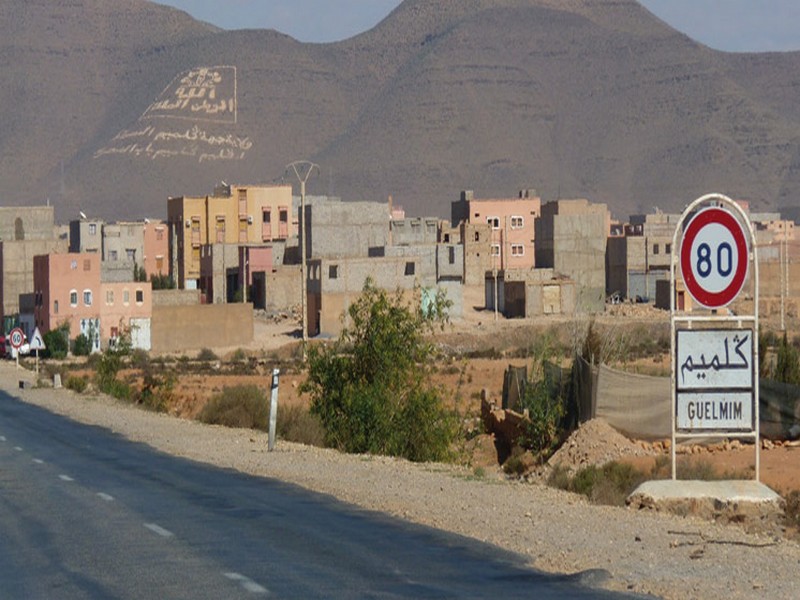
Guelmim à l’heure de son Salon provincial de l’artisanat (Géoparc Jbel Bani)
Guelmim à l’heure de son Salon provincial de l’artisanat (Géoparc Jbel Bani) Le Salon provincial de l’artisanat de Guelmim s’est ouvert, dimanche, sous le signe «L’artisanat, patrimoi
Savoir plus...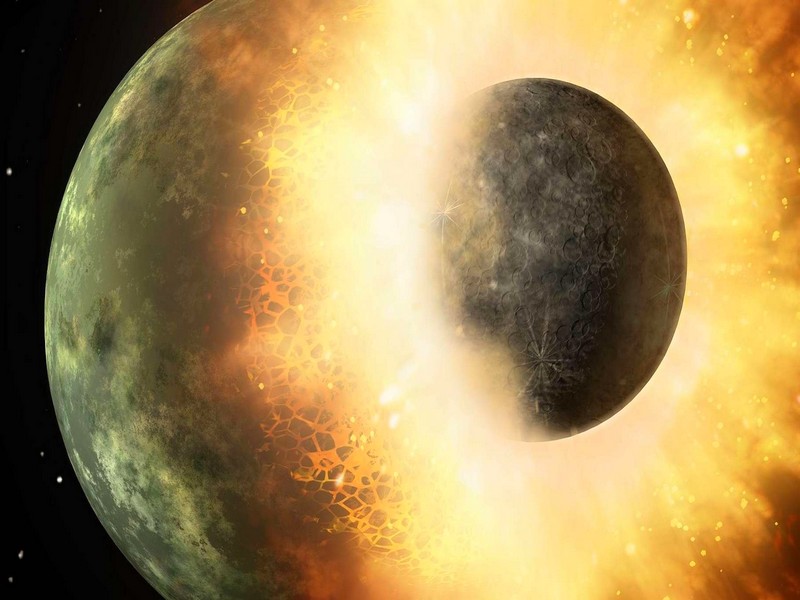
La vie sur Terre viendrait de la collision qui a donné naissance à la Lune
La vie sur Terre viendrait de la collision qui a donné naissance à la Lune Il y a un peu plus de 4,4 milliards d'années, une collision entre la Terre et une planète de la taille de Mars aurait donn&eac
Savoir plus...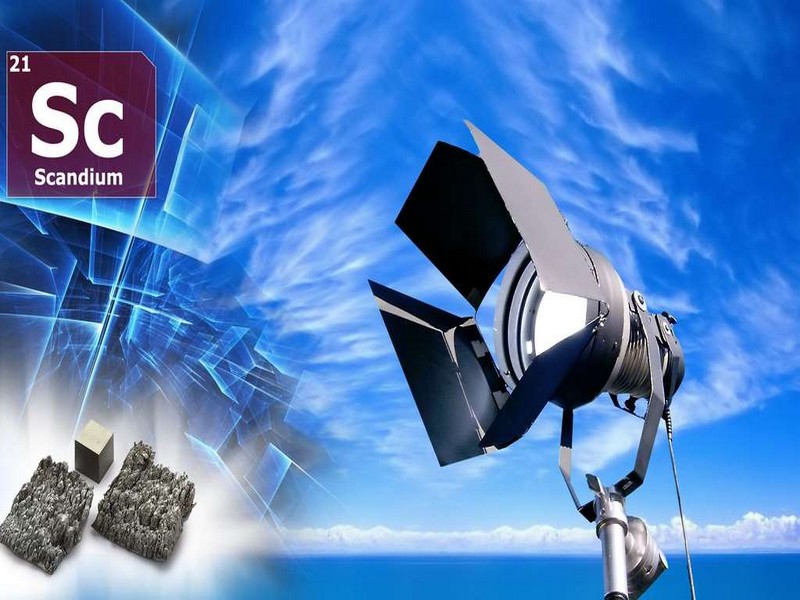
Le scandium, un métal rare au prix élevé (Géoparc Jbel Bani)
Le scandium, un métal rare au prix élevé (Géoparc Jbel Bani) Le scandium (Sc) est une terre rare découverte en Scandinavie par Lars Fredrick Nilson en 1879. C'est un métal de transition m
Savoir plus...
12ème édition du Moussem de Tan Tan: Un carnaval parcourt les rues de la ville (Géoparc Jbel Bani)
12ème édition du Moussem de Tan Tan: Un carnaval parcourt les rues de la ville (Géoparc Jbel Bani) Un carnaval a parcouru les rues de Tan Tan, dimanche, à l’occasion de la 12ème &eac
Savoir plus...
Le lutécium, un lanthanide au prix élevé (Géoparc Jbel Bani)
Le lutécium, un lanthanide au prix élevé (Géoparc Jbel Bani) Le lutécium (Lu) est un lanthanide. C'est le dernier élément de la famille des lanthanides considéré comm
Savoir plus...
Le Moussem de TanTan, un symbole civilisationnel (Géoparc Jbel Bani)
Le Moussem de TanTan, un symbole civilisationnel (Géoparc Jbel Bani) Le Moussem de Tantan est autant d'un symbole civilisationnel dépendant Le passé ancestral à l'avenir prometteur, affirme l'O
Savoir plus...Les tags en relation
En savoir plus sur " Astronomie et Sciences de la Terre ! "
Consulter les vidéos de " Astronomie et Sciences de la Terre ! " Consulter les photos de " Astronomie et Sciences de la Terre ! " Consulter les publications de " Astronomie et Sciences de la Terre ! " Consulter les éditions de " Astronomie et Sciences de la Terre ! " Consulter les communications de " Astronomie et Sciences de la Terre ! "Recherche du site
Recherche avancée / Spécifique
Géoparc et Recherche Scientifique
Le coins de l’étudiant
Blog Géoparc Jbel Bani
Dictionnaire scientifique
Plus de 123.000 mots scientifiques
Les publications
Géo parc Jbel Bani
Circuits & excursions touristiques
cartothéques
Photothéques
Publications & éditions